
DESIGN SYSTEMS THAT SPEAK CODE
Design Systems | Design-Dev Collaboration | Scalable Design | Brand Consistency
OVERVIEW
My role: Product Designer
Timeline: 3 weeks
The mission: Stop the design-dev telephone game
THE PROBLEM
Multiple platforms.
Zero consistency.
Designers recreating components.
Developers guessing specs.
Everyone frustrated!!
WHAT I DID
Built a unified design system by collaborating with Figma Make:
-
Learned their token architecture approach (colors, type, spacing that cascade)
-
Adopted component variants strategy (not separate files for every state)
-
Applied their documentation framework to real B2C + B2B contexts
-
Created developer-ready specs embedded in files
-
Made documentation that actually lives with the design
Translation: Took Figma Make's best practices and made them work for actual dev handoff.
DESIGN SYSTEM ELEMENTS
All the components, all the documentation, zero guesswork:
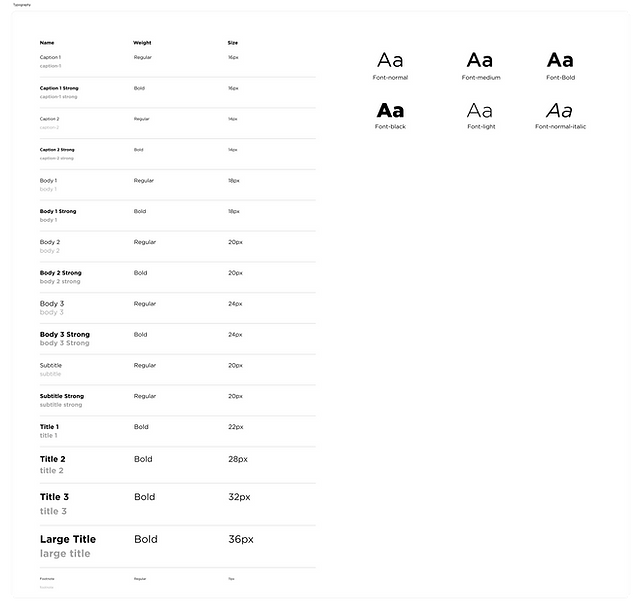
Typography

Color Palette


Alerts & Notifications

Buttons
Shadow Effects


Cards
Inputs

Grid


Badges
Dashboard - Table
THE IMPACT
Before: "What's the padding on this button again?"
After: Production-ready specs, every time.
Outcomes:
Handoff time ---> dramatically reduced
Brand consistency ---> actually achieved
Design efficiency ---> way up
Developer confidence ---> restored
Ship speed ---> faster
TAKEAWAY
Good design systems aren't just pretty component libraries, they're the bridge between design intent and what actually ships.
This one eliminated the guesswork by learning from Figma Make's framework and translating it into something developers could actually use.
WANT TO GO DEEPER?
I wrote about automating design systems with LLMs on Medium, exploring how AI can help generate tokens, documentation, and component specs faster.